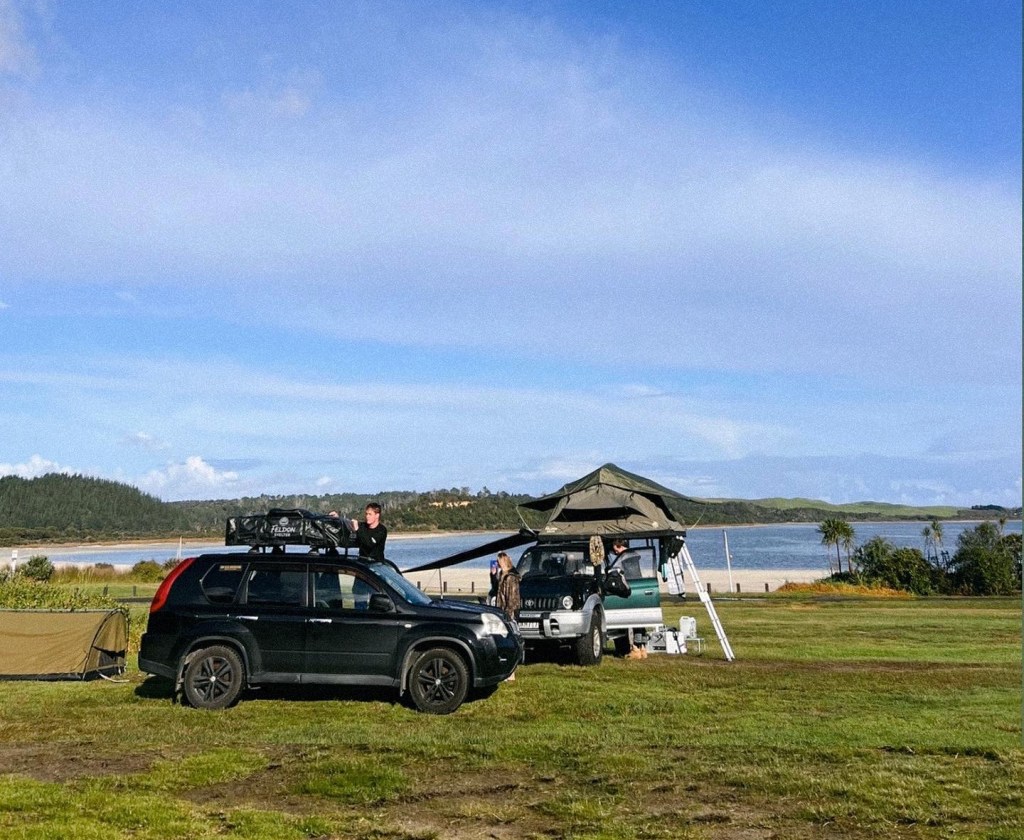
Whether you want to add a little bit of pizzazz to your 4×4 camping trip, are looking to travel to all four corners of the country with ease or are like me and simply just can’t go back to sleeping on the floor; investing in a rooftop tent is a great way to elevate your adventure experience.
At the end of 2021, in the midst of New Zealand’s longest COVID-19 lockdowns, I sold my beloved Ford Transit van, Stanley. It was a sad decision, but it made a lot of financial sense at the time. Plus, it was time for someone to enjoy travelling with a self contained van in the same way I had.
However, it left me with a big conundrum. How was I ever going to go back to pitching a pop-up tent again? I was spoilt. I had become so accustomed to a luxurious camping (think: glamping!) experience and I had forgotten what it was like to sleep on on the floor.
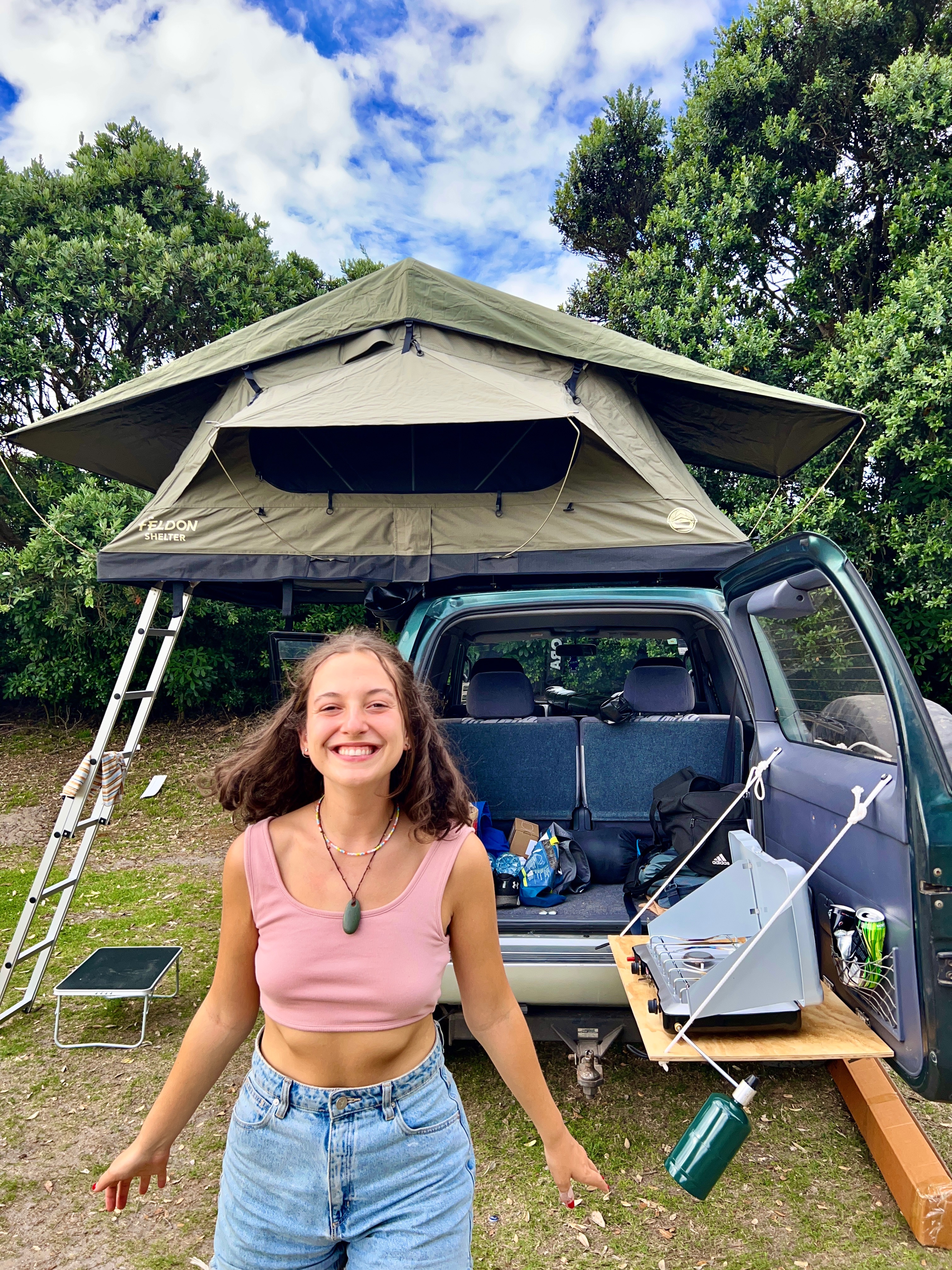
So, that brings us to January 2022. We’re driving home with the windows down in Mathews new (for him at least) 1998 Toyota Prado, and it just makes sense. We’ve got to buy a rooftop tent.
But, rooftop tents can cost a pretty penny, and there is so much information out there. Where do you find the best rooftop tents? How do you know what to splurge your money on vs where to save? Don’t worry; you’re in the right place! I’m going to take you through everything you need to know about buying a rooftop tent in New Zealand.
- The different types of rooftop tents
- How much do rooftop tents cost?
- Where to buy rooftop tents in New Zealand:
- How do I install my rooftop tent?
- How do I clean my rooftop tent?
- What car do I need for a rooftop tent?
- Can I use my rooftop tent in a camping ground?
- Are rooftop tents waterproof?
- The best camping resources
The different types of rooftop tents
There are two different types of rooftop tents available in New Zealand: hard shell and soft shell.
Hard shell rooftop tents:
A hard shell rooftop tent is typically made with fibreglass, ABS plastic or aluminium. The hard shell allows your tent to be more durable, study and weather resistant. When you want to set them up, most open in less than 30 seconds thanks to their clamshell or hinge designs and set up with built-in walls and a roof. This makes it an ideal choice if you’re planning on camping long-term.
When hard shell rooftop tents are closed, they’re pretty compact. The standard versions are usually only 20cm high when collapsed. This reduces wind drag, or as we like to say, the parachute on the top of your car! Plus, they’re super comfortable, so great if you want a little extra luxury in your life.
Soft shell rooftop tents:
Now, I have a soft shell rooftop tent, so I’ll try to keep my bias to a minimum. However, I really don’t think that you can go wrong here.
Soft shell rooftop tents are the most popular roof top tent on the market today and are most likely what you think of when you imagine this style of camping.
They’re made with a soft, flexible canvas material and come with a durable waterproof cover. Unlike hard shell rooftop tents that weigh a fair amount, soft shell tents are designed to be lightweight, easy to store and super accessible. They’re easy to set up (but take longer – around 5 minutes) and although they sit higher than their hard shell counterparts (at approximately 40cm high vs 20cm) fold into a small package on the top of your car.
Ultimately the type of rooftop tent you decide to buy will depend on your budget (more on that below), lifestyle and comfort needs.
TL/DR: Hard shell rooftop tents
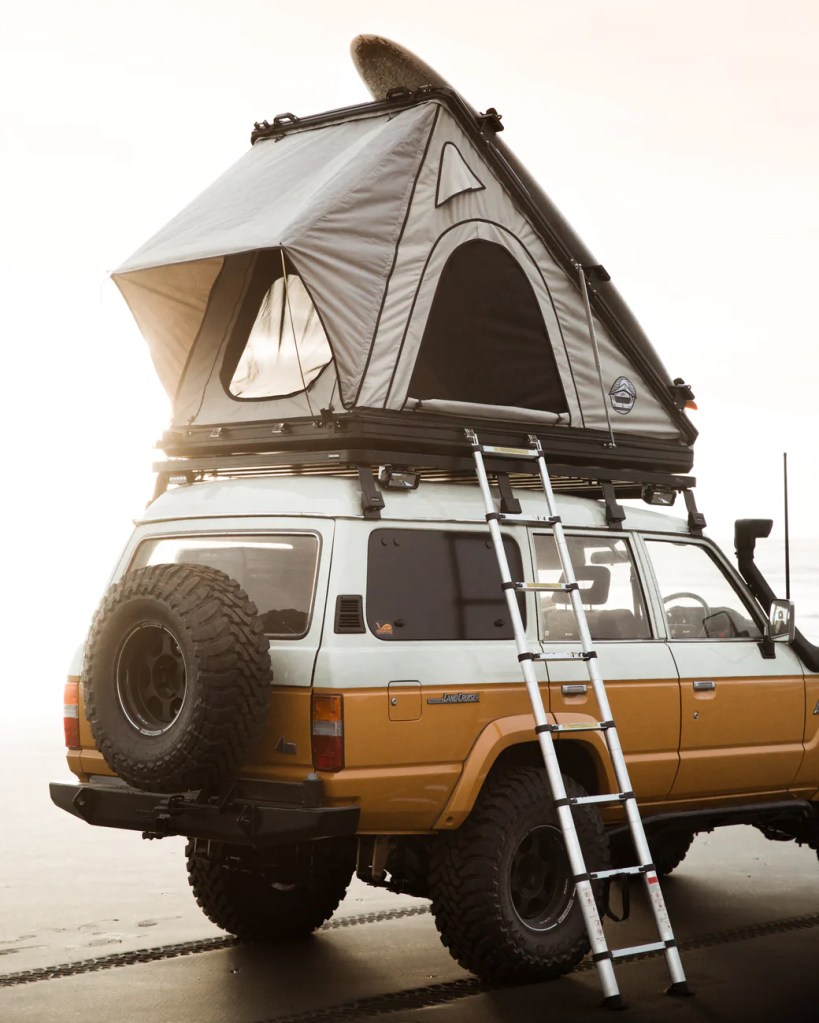
Pros:
- Durable.
- Slimmer design that’s more aerodynamic.
- Quick set up; most in under 30 seconds.
- Most models come with added insulation – perfect for winter camping.
- Added locking mechanisms to prevent theft.
Cons:
- More expensive.
- Heavier.
- Difficult to put onto the top of your car.
TL/DR: Soft shell rooftop tents
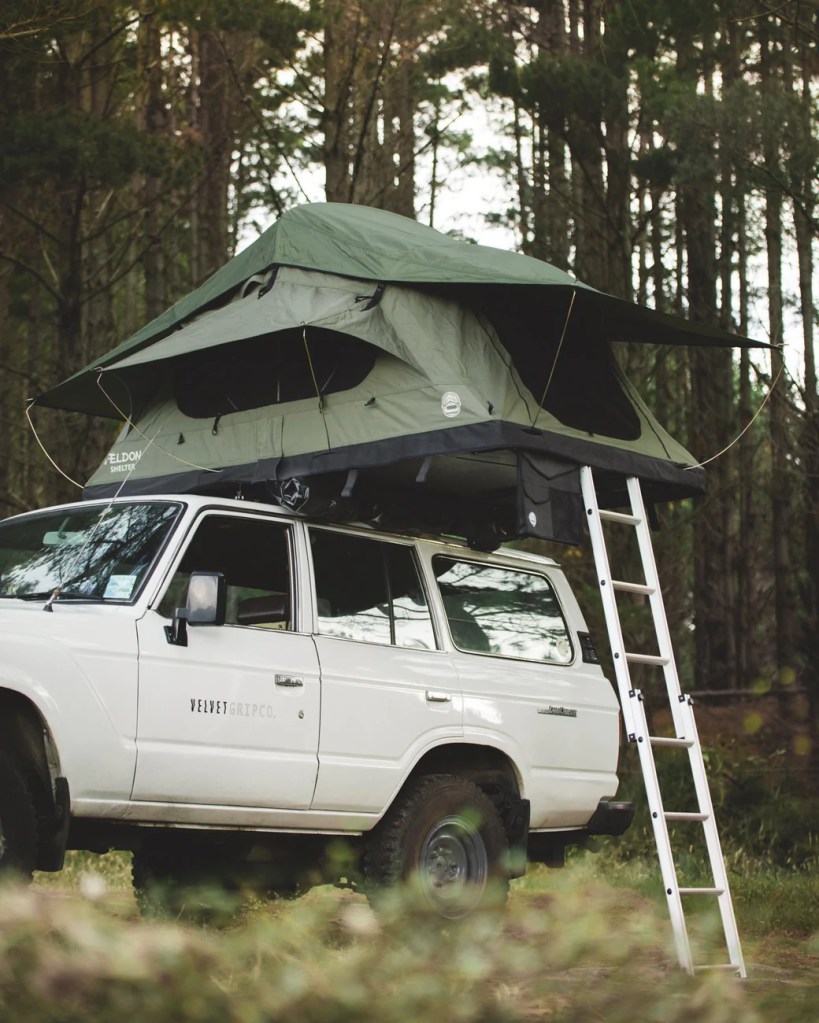
Pros:
- More affordable.
- Accessible – the most popular kind of roof top tent on the market.
- Excellent ventilation.
- Compact when closed, making them easy to store over winter.
- You can store your sleeping gear (we keep 2x sleeping bags, a blanket and 2x pillows in ours!) inside when closed.
Cons:
- Not as slim which can create wind drag.
- Some people say they are uncomfortable.
- Longer set up time (approx. 5 minutes).
- Not as secure as hard shell tents.
How much do rooftop tents cost?
The cost of buying a rooftop tent in New Zealand can vary depending on a few factors:
- The brand.
- The size.
- The style – hard shell vs soft shell.
- Any add-ons, accessories and extra features that tickle your fancy.
On the lower end, a basic soft shell rooftop tent can cost approximately $1,000 to $2,000 NZD whereas a high-end hard shell rooftop tent can cost upwards of $5,000 NZD.
To give you an idea, here are some popular rooftop tents in New Zealand and their prices:
- Kings Tourer Roof Top Tent (soft shell) – $1,699 NZD
- Xplora Soft Shell Extended Roof Top Tent (soft shell) – $1,749 NZD
- Flendon Grow’s Nest Extended Rooftop Tent (soft shell) – $2,799 NZD
- Feldon Hawk’s Nest Aluminium Rooftop Tent (hard shell) – $4,499 NZD
When you’re working out you’re budget, it’s worth being mindful that the cost of any rooftop tent won’t include additional accessories or add-ons that you may require, such as camping gear or awnings. Nor will it include roof racks that you may need for installation.
Where to buy rooftop tents in New Zealand:
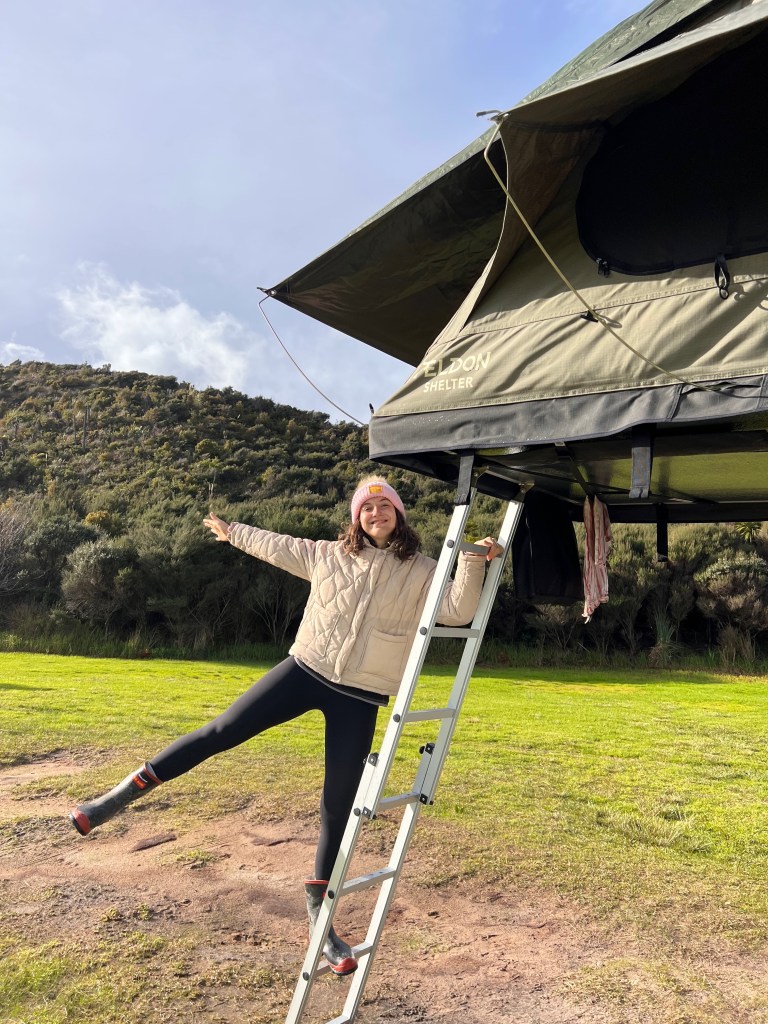
Roof top tents have boomed in recent years and although there are lot of companies in New Zealand and internationally that sell them, I truly don’t think you can go wrong with Feldon Shelter. I am biased, as I own their soft shell rooftop tent, The Crow’s Nest, but I think they’re the best in the business.
They’re designed and made in New Zealand, and their team are fantastic.
How do I install my rooftop tent?
Some rooftop tent teams offer an installation service. You’ll need to book an appointment (it’ll set you back approximately $99) but it’s well worth it to show you the ropes. I highly recommend it, even if it’s an added cost, especially if you’ve never owned a RTT.
However, if you’re buying second hand, or from another company, you may need to install the tent yourself.
It can be a little tricky and the process will vary depending on the type of tent and vehicle you have. It’s always best to check the manufacturers instructions carefully and make sure you have the right tools on hand (you’ll most likely need a screwdriver and spanner).
How do I clean my rooftop tent?
Cleaning your rooftop tent is a lot easier than you might think. We’ve taken ours off road (think dust, mud and lots of sand!) and across New Zealand in the last year but we’re yet to need to give it a deep clean.
If you do need to clean your rooftop tent, you can use a soft-bristled brush or sponge and some mild soapy water to get rid of any mess. We also like to take a dustpan and brush camping to make sure our feet are clean before getting into bed! Some rooftop tents come with a removable shoe pocket by the ladder that you can use to keep your shoes outside – it’s a lifesaver!
What car do I need for a rooftop tent?
In theory, most vehicles could support a rooftop tent, as long as the weight doesn’t exceed the vehicles limit. When in doubt, it’s best to check your owner’s manual for specific weight restrictions.
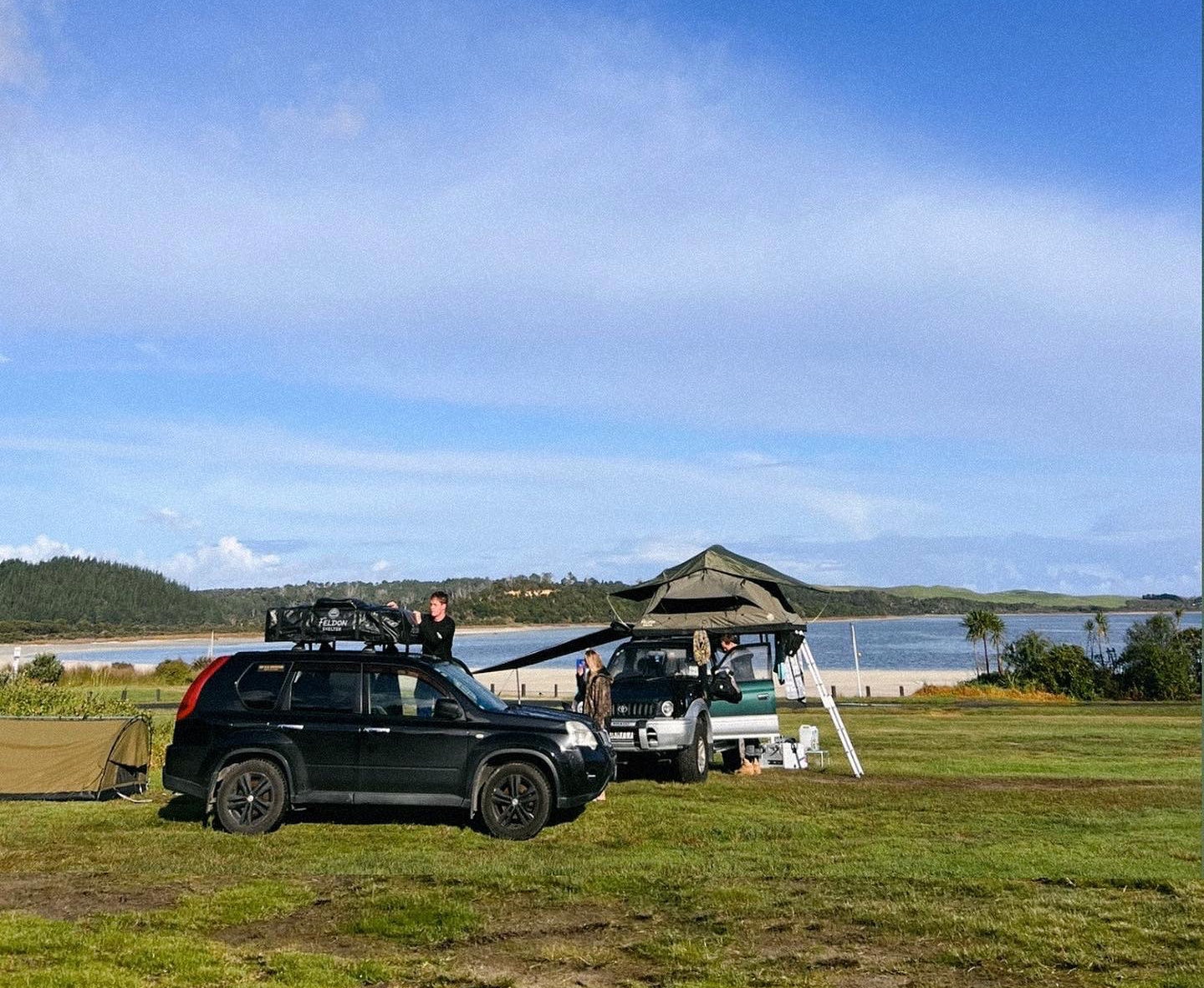
However, in New Zealand, most rooftop tents are mounted onto 4x4s, UTEs or all wheel drive cars as they’re best equipped to deal with the added weight.
Can I use my rooftop tent in a camping ground?
Short answer – yes! Rooftop tents are tents after all and most campsites allow you to bring one tent and one vehicle per booking. We’re yet to come across a campsite that has been funny about our set up. However, I’ve heard that some have restrictions around the use of RTTs. When in doubt, it’s best to call ahead.
Are rooftop tents waterproof?
So, funny story. The day we picked our tent up last year, we were so excited to take it on its maiden voyage that we completely disregarded the looming, black clouds in the sky.
Six hours later, we regretted every life decision that led us to that moment as we huddled in our tent and listened as a cyclone raged outside and hurled 80kph winds and rain against us.
Lesson learned – check the weather forecast before planning a camping trip! On the bright side, it made for a great story and I can now attest that the Feldon Shelters are well equiped to deal with torrential downpours and harsh weather conditions.
Generally, most rooftop tents are designed to be waterproof, but check the manufacturer’s specifications before purchasing as they may require additional waterproofing, particularly if you’re planning to use them through heavy rain, extreme weather, or cyclones (oops!).
ALWAYS remember, if you get wet, you can pack your tent away and head home but never leave it packed for more than 2 days before you air it out and let it dry completely. That’s a one way ticket to a mouldy, smelly mess and a tent that won’t stand the test of time.
The best camping resources
So, you’ve got your rooftop tent. What now?
It’s time to hit the road!
These are the best travel apps to download that will help you on your trip around New Zealand:
- Google Maps: self-explanatory, really! Google Maps is great for planning your trip, helping you navigate around unchartered territory and checking the distance between destinations.
- Maps.me: lets you download maps offline, so even if you’ve run out of data (or can’t find a local McDonalds for free WIFI!) you’ll stay connected and be able to view turn-by-turn navigation and directions.
- Wanderlog: is a mobile travel planner allowing you to access and edit your itinerary on the go. You can import you itinerary, accomodation and transport details, and even browse popular attractions in your area to make sure you’re getting the most out of your trip.
- Air BnB, Booking.com and Hostel World: to check out local accomodation!
- Mobil Smiles, Z and BP Me: apps for New Zealand based petrol stations and they are all free to download. Once you sign up, you’ll get access to 6-10c off per litre of fuel. Plus, you can stay or spend your discounts (perfect in that pesky cost of living crisis!).
- Campermate: allows you to find 1000s of campsites, holiday parks, experiences, dump stations and water stations across New Zealand. You can filter your search to highlight exactly what you want to find. This is also a great app to find Freedom Camping sites across the country.
It’s time to hit the road! Check out The Ultimate Guide to Planning a Trip to New Zealand or The Best New Zealand Road Trip Itinerary for more travel inspiration and to plan your next camping trip.

 Notes to Home